
Braces vs Clear Aligners in Areekode: Which Is Right for Your Smile?
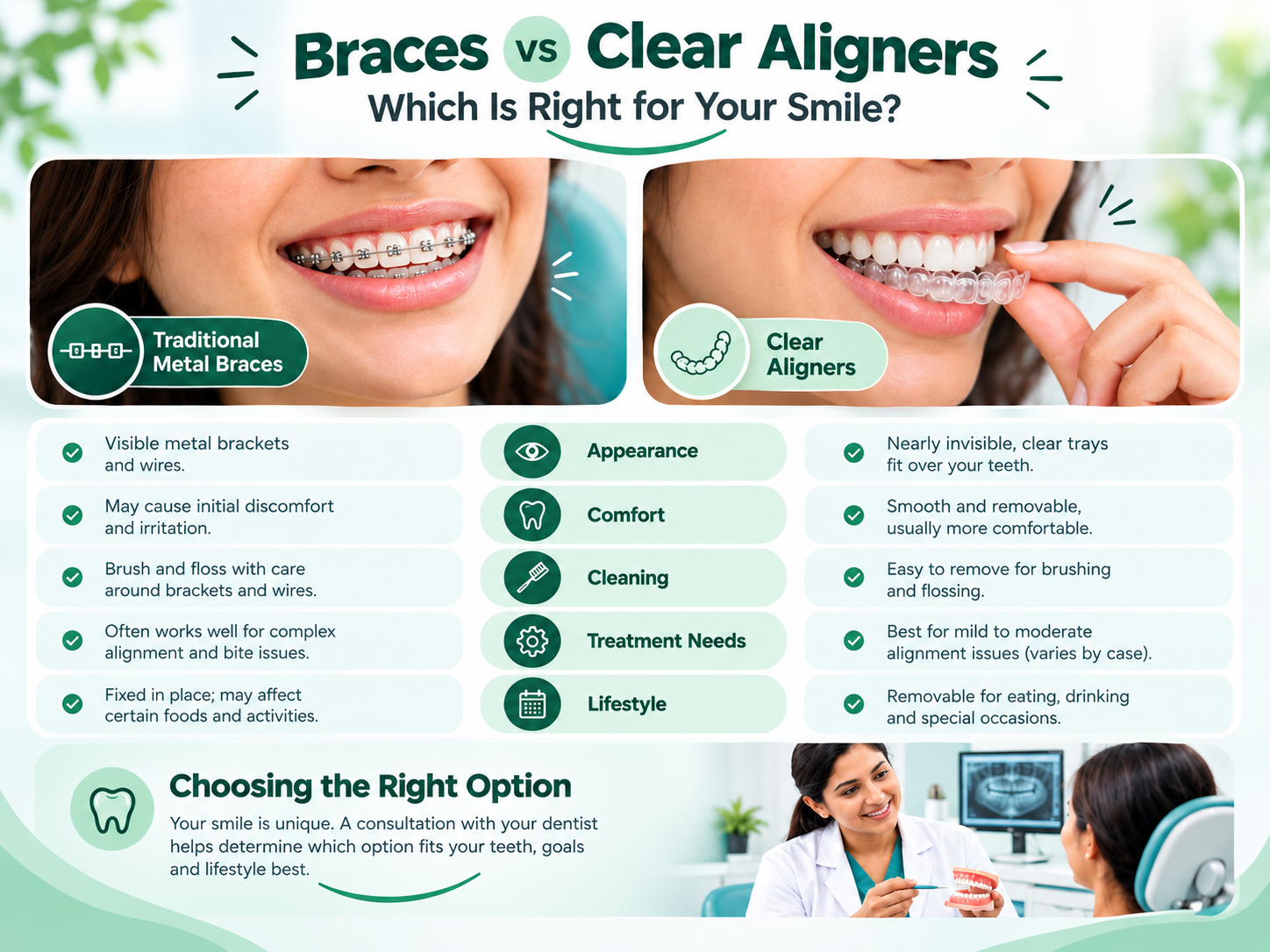
Orthodontic treatment has changed considerably, but the basic clinical question has not. Teeth have to move through bone in a controlled way, the bite has to remain stable, the gums need to stay healthy, and the finished smile has to suit the face rather than merely look straight in a photograph.
The choice between braces and aligners sits inside that larger picture.
When patients ask about braces vs clear aligners in Areekode, appearance is usually the first subject raised. That is understandable. A teenager may be thinking about school or college photographs. An adult may have meetings, a wedding approaching, or regular customer-facing work. Someone working in the Gulf may be planning treatment around visits home to Kerala.
Appearance matters. It simply does not make the decision on its own.
The position of the teeth, the way the upper and lower jaws meet, available space, tooth rotations, gum condition, previous dental work and the type of movement required all influence which appliance makes more sense.
The Decision Starts With the Teeth, Not the Appliance
Patients sometimes arrive already committed to a particular treatment. They have seen an aligner advertisement, watched someone document braces treatment online, or spoken to a friend whose teeth were corrected successfully.
That information is useful, but orthodontics is individual.
A mild crowding problem involving the front teeth is very different from a bite in which several teeth need coordinated movement. A small gap behaves differently from a severely rotated tooth. Teeth that appear reasonably straight from the front may still have a bite relationship that deserves attention.
Good treatment planning starts with records. Clinical examination. Photographs. Appropriate X-rays. Digital scans or impressions when required. The orthodontist is looking at where the teeth are now and, more importantly, where each tooth can safely be moved.
This is where discussions about braces vs clear aligners in Areekode become much more useful. Instead of asking which appliance is fashionable or convenient, the discussion becomes specific: what movements are required, how those movements can be controlled, how long treatment may reasonably take and what the patient would prefer to wear during that period.
At Neom Dental Care, orthodontic care includes both braces and aligner treatment, allowing the appliance to be selected around the clinical requirement rather than forcing every patient into the same system.
What Fixed Braces Offer Modern Orthodontic Patients
Fixed braces remain an exceptionally capable orthodontic system.
The word “braces” sometimes gives adults an outdated picture of orthodontics. Current systems are far more refined than that image suggests. Brackets, wires and treatment mechanics allow an orthodontist to control several aspects of tooth movement at the same time.
That control is particularly valuable when teeth need significant rotation, vertical correction, coordinated space closure or detailed bite adjustment.
Patients considering braces in Areekode may also have different bracket options depending on their treatment plan. Conventional metal braces remain popular because they are efficient, precise and familiar. More discreet bracket systems may also suit patients who want a subtler appearance while retaining a fixed appliance.
There is another practical advantage that deserves more attention. Braces stay on the teeth and continue doing their job throughout the treatment period. The patient does not have to remember to insert the appliance after every meal.
Good oral hygiene becomes part of the routine. A smaller toothbrush, interdental brush and deliberate cleaning around brackets usually make the process straightforward once the technique becomes familiar.
Food habits tend to adjust naturally as well. Kerala meals themselves are rarely the issue. Rice, curries, vegetables, fish and most ordinary home-cooked foods can fit comfortably into orthodontic life. The sensible approach is simply to treat very hard or sticky foods with some care and cut firm foods into manageable pieces where appropriate.
Braces also give orthodontists considerable flexibility during appointments. Small adjustments can alter force levels, refine tooth positions and progressively guide the bite toward the planned result.
That ability to fine-tune is one reason fixed appliances continue to have a strong place in modern orthodontics.
Why Clear Aligners Appeal to Adults and Younger Patients
Clear aligners approach orthodontic movement differently.
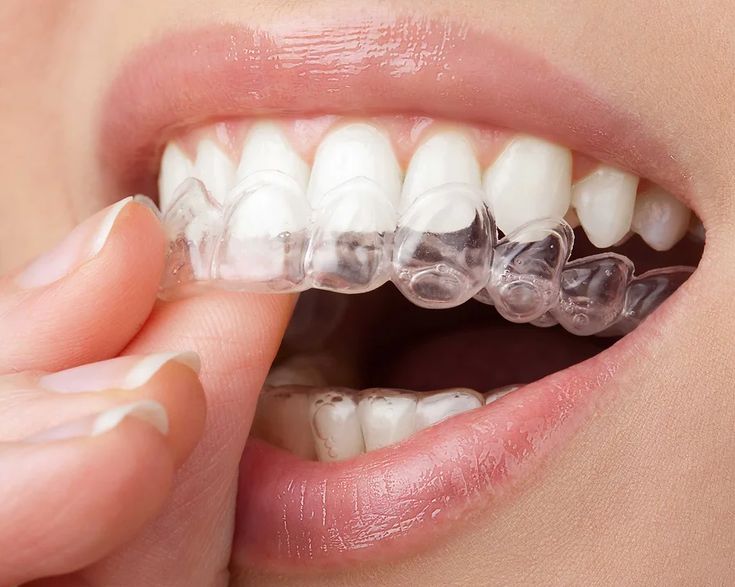
Instead of brackets and wires, a planned sequence of transparent trays gradually moves the teeth. Each aligner represents a small stage in the overall correction. The trays are removable and designed to fit closely around the teeth.
For the right patient, that is an elegant system.
People exploring clear aligners in Areekode often value discretion first. At conversational distance, well-fitting aligners can be remarkably subtle. For professionals, college students, people attending frequent functions or patients who simply prefer less visible treatment, that can make orthodontics easier to integrate into everyday life.
Removability is equally useful.
Aligners are taken out for meals, so normal eating can remain largely unchanged. Brushing and flossing are also familiar because there are no fixed brackets covering part of the tooth surface. For someone who already maintains excellent oral hygiene, that simplicity can be attractive.
The important word is discipline.
Aligners work best when they are worn for the prescribed number of hours each day. Removing them for breakfast and forgetting to replace them until lunchtime changes the amount of effective treatment time. The same applies after tea, snacks or a long social event.
A useful habit is simple: aligners come out for eating, the mouth is cleaned appropriately, and the trays go back in.
Patients who manage that routine well often find aligner treatment remarkably compatible with work and social life.
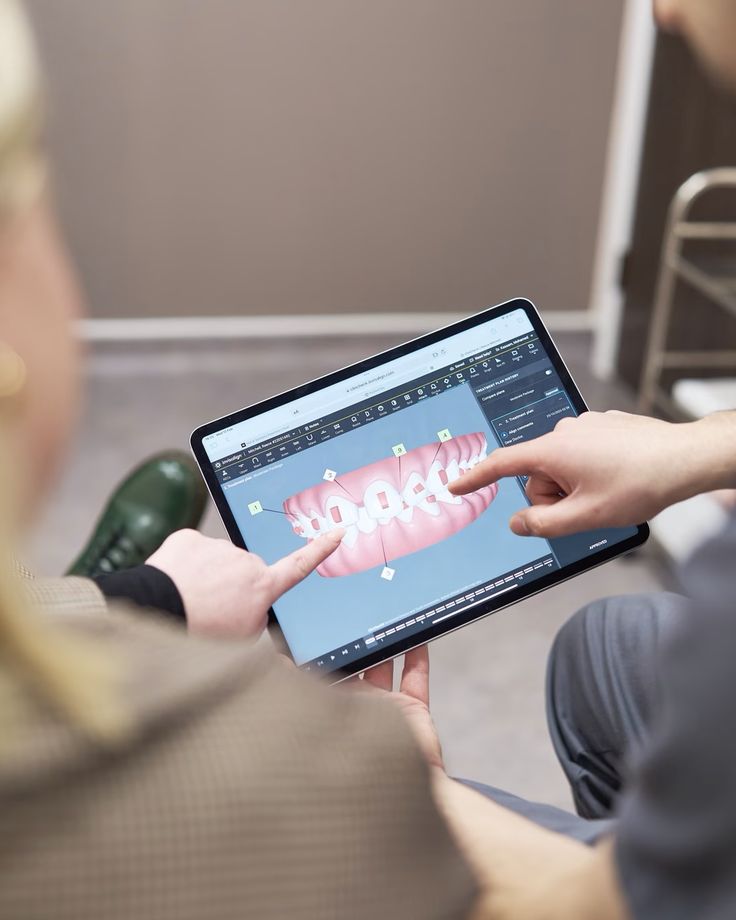
Digital planning is another attraction. Modern aligner therapy can allow the orthodontist to plan progressive tooth movements in detail. Patients may also get a clearer idea of how the correction is intended to develop over time.
There are limits to what should be decided from a simulation, though. Teeth are biological structures, not objects moving across a computer screen. Bone response, tooth anatomy and individual treatment progress still matter.
Some orthodontic movements can be handled beautifully with aligners. Others may be more predictably controlled with fixed appliances or with a carefully modified orthodontic plan.
That is not a competition between technologies. It is simply good case selection.
Treatment Planning Matters More Than Choosing a Trend
When discussing braces vs clear aligners in Areekode, I would pay more attention to the diagnosis than to claims that one system is universally superior.
Consider two patients with crooked front teeth.
The first has mild crowding, a stable bite and enough space to organise the teeth with limited movement. An aligner-based plan may fit naturally into that person's lifestyle.
The second has crowding combined with significant rotations and a bite that also needs correction. Fixed braces may give the orthodontist very direct control over those movements.
Both patients can finish with attractive, well-aligned smiles. The route does not have to be identical.
Age rarely settles the question either. Adults routinely undergo orthodontic treatment. Healthy teeth can respond to controlled orthodontic forces well beyond the teenage years. The assessment simply becomes more detailed where there are crowns, implants, missing teeth, gum recession or previous dental treatment.
Adult patients often bring something valuable to treatment: motivation. They have usually chosen orthodontics for themselves and understand why consistency matters.
Parents asking about treatment for teenagers should think about personality as much as appearance. A responsible teenager who follows instructions carefully may manage aligners extremely well. Another teenager may prefer the simplicity of an appliance that stays fixed in place.
Neither choice is a compromise.
Retention also deserves discussion before treatment starts rather than after the teeth are straight. Teeth have a natural tendency to move after orthodontic correction. Retainers help maintain the new positions while the surrounding tissues adapt. A beautiful result deserves a proper retention plan.
Patients comparing options at a dental clinic in Areekode should ask what the proposed treatment is correcting, whether bite changes are required, how progress will be reviewed, what daily routine the appliance needs and what retention will follow.
Neom Dental Care in Areekode provides orthodontic treatment including braces and aligners, with orthodontic care led by Dr. Muhammed Shareef Parakkal. The useful starting point is an examination. Once the teeth, bite and treatment goals are understood, the appliance choice usually becomes much clearer.
FAQ
What are clear aligners and how do they work?
Clear aligners are a series of transparent, removable trays made from a digital scan of your teeth. Each tray is slightly different from the last and applies gentle pressure, moving teeth in small steps towards the planned final position.
How do I choose the clear aligner centre in Areekode?
Look for a dentist who examines your bite before quoting, shows you a 3D simulation of the result, gives the full fee in writing and offers regular reviews close to home. Finished-case photographs are a good sign.
Are clear aligners better than traditional braces?
For suitable cases, many patients prefer them. They are nearly invisible, removable for meals, easier to clean around and usually need shorter appointments. Your dentist will advise which option fits your bite.
Who is suitable for clear aligner treatment?
Most people with crowding, spacing or mildly misaligned teeth and healthy gums are good candidates. A consultation with a scan confirms how well your own case will respond.
What is a clear aligner?
It is a custom-made, transparent plastic tray that fits snugly over your teeth. Worn in sequence, the trays shift teeth gradually, and you swap to a new one every one to two weeks as advised.
Who can get clear aligner treatment?
Teenagers with all their permanent teeth and adults of any age can have treatment, provided the teeth and gums are healthy. Any cavities or gum issues are simply treated first.
Are clear aligners suitable for adults?
Yes. Adults are among the most successful aligner patients, since the trays are discreet at work and easy to remove for meals and brushing. Treatment can also improve cleaning and comfort in everyday life.
Can clear aligners correct crowded teeth?
Yes. Mild to moderate crowding responds very well. Space is created through careful movement and, where needed, light polishing between teeth, and the 3D plan shows you the result beforehand.
Can clear aligners close teeth gaps?
Yes. Gaps between teeth are among the most predictable movements for aligners. Most patients see steady progress over a few months, followed by retainers to hold the new position.
Your Healthier Smile Awaits - Book Now!
Your Healthier Smile Awaits - Book Now!

The goal of our clinic is to provide the best dentistry to our patients.


Contact info
Phone : +91 7560849494
Email : [email protected]
Address : Ground floor Aysha complex ,
Opposite Panchayath stadium,
Areekode, Malappuram
Pin: 673639
Copyright © 2026. Neom Dental Care.All Right Reserved.
Copyright © 2026. Neom Dental Care.
All Right Reserved.